


How Much Does Laser Liposuction Cost?
July 16, 2019
Laser liposuction, or laser lipo (also known as laser lipolysis), is a minimally invasive surgical procedure designed to remove unwanted subcutaneous fat. Unlike traditional liposuction, newer techniques use laser or ultrasound technology alongside power-assisted equipment to extract fat with less trauma.
The laser not only helps break down fat but may also aid in skin contraction. Like all liposuction methods, laser lipo requires anesthesia, typically administered through a numbing fluid applied to the treatment area. A small incision is made, and a metal tube (cannula) is inserted to suction out the fat. With laser lipo, a laser fiber is also inserted to rupture fat cell membranes and liquefy the fat for easier removal.
If you’re bothered by stubborn fat in your abdomen, flanks, hips, inner and outer thighs, knees, or upper arms, laser liposuction may restore your confidence without the high risk and lengthy downtime associated with traditional liposuction. Keep reading to learn about the cost and many other things about laser liposuction.
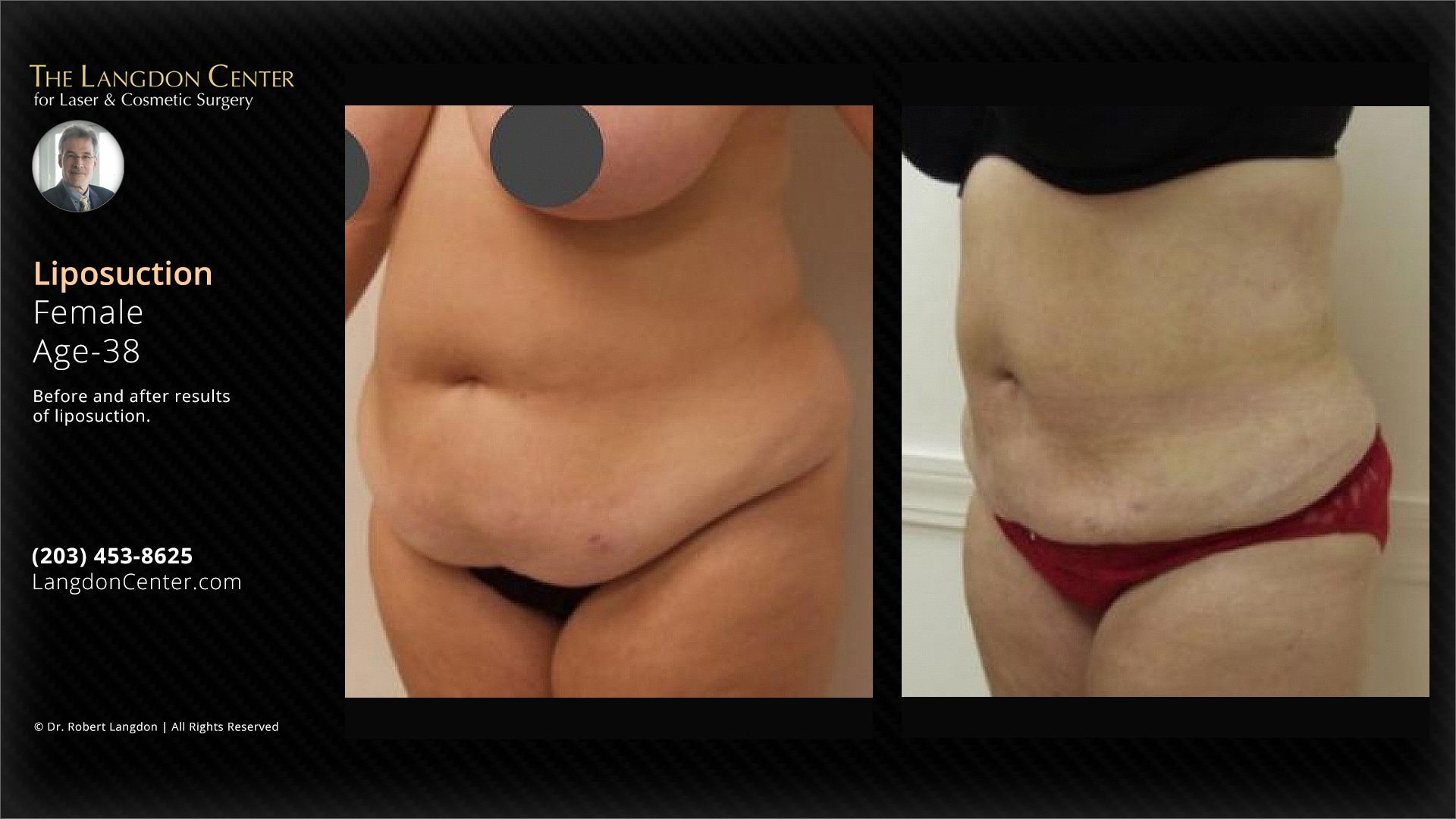
*Individual Results May Vary
What Determines the Cost of Laser Liposuction in 2024?
The cost of laser liposuction varies from patient to patient. A number of factors such as the areas of the body that you’d like to treat and your particular aesthetic goals will determine the price of this treatment. We have found that laser liposuction typically costs anywhere from $2,500 to $5,500 per area.
The cost of laser liposuction varies based on factors like the treatment area, your geographic location, and the provider’s expertise. Typically, areas such as the upper stomach and around the knees tend to be more expensive compared to areas like the lower stomach, back, buttocks, thighs, or hips. The final price will depend on how many areas you choose to treat and the complexity of those areas.
The best way for you to find out about the cost of laser liposuction is to schedule a private consultation at our office. After evaluating your problem areas and learning more about your goals, we can design a customized treatment plan and provide you with a specific fee quotation.
Remember that because laser liposuction is considered a cosmetic procedure rather than a medical necessity, your insurance policy won’t cover it. We’ll be happy to work with you to figure out a payment plan that aligns well with your budget and lifestyle.
Take the Next Step
If you have further questions about Laser Liposuction, we encourage you to schedule a consultation at The Langdon Center in Guilford, CT. Call us at 203-453-8625 or fill out our convenient online contact form.
Comparing Laser Liposuction with CoolSculpting
Laser liposuction and CoolSculpting are both fat-reduction procedures designed to target specific areas of the body, such as the arms, thighs, stomach, and chin. However, they differ in their approach:
- Laser Liposuction: This is a minimally invasive procedure that uses laser technology to liquefy fat, which is then suctioned out through a small cannula. It also stimulates skin contraction, potentially improving skin tone and texture. Laser lipo requires some recovery time due to the invasive nature of the procedure.
- CoolSculpting: A non-invasive fat-freezing treatment (cryolipolysis) that targets and freezes fat cells, which are then naturally eliminated by the body over time. There’s no need for surgery or downtime, making it a popular option for those seeking a less invasive fat-reduction method.
Both treatments are effective for reducing fat in specific areas but differ in technique, recovery time, cost and invasiveness.
CoolSculpting vs. Laser Lipo Fast Facts and Cost
About:
- Laser Liposuction: A minimally invasive cosmetic procedure that uses a laser to melt fat beneath the skin. Also known as laser lipolysis.
- CoolSculpting: A noninvasive cosmetic procedure that freezes away fat beneath the skin using a cooling applicator.
Safety:
- Both laser lipo and CoolSculpting are considered safe and effective for fat removal.
- Both procedures have minimal potential side effects.
Convenience:
- Laser lipo may require a few days of downtime for recovery.
- CoolSculpting allows you to return to normal activities the same day.
Cost:
- Laser liposuction typically costs between $2,500 to $5,500.
- CoolSculpting averages $2,000 to $4,000.
Efficacy:
- Both procedures are effective for fat reduction.
- Results are permanent when a healthy weight, diet, and lifestyle are maintained.
Benefits of Laser Liposuction
There are countless benefits of laser liposuction. Instead of general anesthesia, this treatment requires only safe and gentle local anesthesia. Laser-assisted liposuction under local anesthesia has a far shorter recovery time than traditional liposuction, making it an ideal option if you lead a busy life and can’t afford to take too much time off of work and your other daily responsibilities. The greatest benefit, however, is that laser liposuction offers smoother results than traditional liposuction.
Good Candidates for Laser Liposuction
If you are in general good health and have had limited success trying to get rid of stubborn fat bulges through diet and exercise, you may be a good candidate for laser liposuction. You should understand that this procedure is not a weight loss solution or a substitute for leading a healthy lifestyle.
You may not be eligible for the treatment if you are pregnant, recently had surgery, or have medical conditions such as blood clots, heart disease, or abnormal tissue growth. Additionally, certain health conditions and skin issues can disqualify you from these procedures.
After years of putting it off, I finally had Smart Lipo to remove excess fat and bulk in my lower and upper abdominal areas. When I went to the office I was nervous and wasn’t sure anything could be done to make me feel better about my body. Dr. Langdon was very clear about what I could expect during and after the procedure and I felt very comfortable in his care. The office staff were extremely comforting on the day of my procedure and are very friendly and professional. I am glad I decided to go through with the procedure.
Take the Next Step
If you’re wondering whether you’re a good candidate for laser liposuction, we encourage you to schedule a consultation at The Langdon Center in Guilford, CT. Call us at 203-453-8625 or fill out our convenient online contact form.





