Archive for January, 2012
Winter Procedures Make Sense
For many people winter time can be a much awaited reprieve from the flesh revealing fashions of spring and summer. Sweaters hide a multitude of sins like love handles, muffin tops and even saddlebags. As soon as the weather gets warmer however, you’re forced to confront your imperfections again without much time before the temperature rises and you’re frustrated again.
Fortunately, winter at The Langdon Center is an excellent time to schedule the cosmetic procedures you may have been thinking about for some time. Procedures like breast augmentation, laser rejuvenation, facelifts and others may provide some immediate results but also require time before your optimal results appear. Holiday breaks provide the extra time to recover and those sweaters come in handy when you want to go out in the world before your body is at 100%.
Scheduling your procedures at The Langdon Center during the winter means that by the spring, you can be well on your way to the body or face of your dreams.
To schedule your winter procedure, call The Langdon Center at 866.976.1029 or visit langdoncenter.com to learn more.
Ask Dr. Langdon…
Dear Dr. Langdon,
Eight weeks ago I had my first treatment of BOTOX® and a bit of Juvéderm® for the “11s” between my brows. I bruised heavily but the bruising cleared in 2 weeks. Now I am left with the whole treated areas being slightly darker & a bit red compared to the rest of my face and complexion. Is this normal and how long until it goes away? Is it safe to do again?
Dr. Langdon Says:
I always apply a topical anesthetic cream (which includes a medication that causes blood vessels to constrict) before injecting “fillers” such as Juvederm and Restylane). The skin is numbed for the injection and is also much less likely to bruise. Bruising is usually minimal to nonexistent.
I usually do not use anesthetic cream prior to Botox injections; the key to preventing bruising is for the physician to immediately apply pressure to the injection site if any bleeding is noted. Again, bruising is usually minimal to nonexistent.
It is also a good idea for patients who are scheduled for injections to avoid any elective “blood thinning” medications such as aspirin for two weeks prior to the procedure.
To learn more call the Langdon Center at 866.976.1029 or visit langdoncenter.com
The Dark Side of Indoor Tanning
According to the American Academy of Dermatology, despite warnings, more than 1 million people in the United States will use indoor tanning at salons this year. According to the same article, these women are mainly Caucasian between ages 16 to 29 years of age and helped to generate over $2.6 billion in revenue for the tanning industry in 2010.
Despite the known dangers of tanning, people continue to use indoor tanning beds. Recently, the World Health Organization declared indoor tanning devices to be cancer-causing agents, placing them in the same category as tobacco. The same organization also found a 75 percent increase in the risk of melanoma in those who have been exposed to UV radiation from indoor tanning.
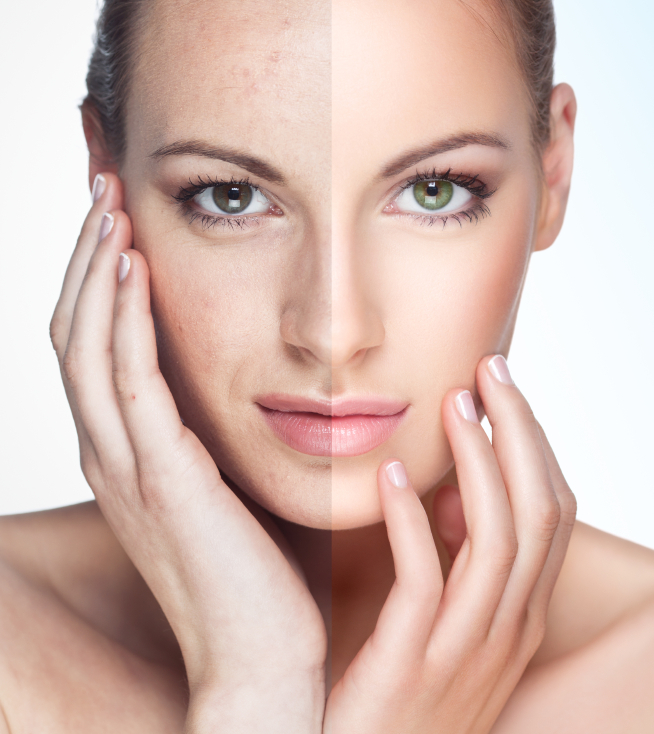
Winter is often a popular season for indoor tanning. During these gray months, our skin becomes pale and sometimes dull. Indoor tanning offers immediate color in a sunless climate. Unfortunately, indoor tanning causes cancer and premature aging of the skin. Think about the long-term, damaging effects of indoor tanning on your skin and consider anti-aging treatments instead. Peels, photo rejuvenation and lifts are beneficial to your skin and help prevent skin aging.
To learn more, call The Langdon Center at 866-976-1029 or 203-533-4958.
Healthy Skin Care Tips
Winter is tough on skin. We’d like to remind you to treat your skin kindly by giving it regular facials that you can even do at home:
Begin with warm skin and open pores. After a shower is a perfect time.
- Step 1: Cleanse (Daily): remove all makeup, dirt, and debris.
- Step 2: Exfoliate (2-3 times per week): use scrubs with enzymes, acids, or round beads to lift away dead skin cells.
- Step 3: Treatment Mask (weekly or as needed): use your mask to address specific conditions like breakouts, dehydration or dark spots.
- Step 4: Hydrate (daily or as needed): layering a serum beneath your moisturizer in the winter is an excellent way to deliver additional nutrients to your skin. Remember, the general rule for layering skin products? Thinnest to thickest.
- Step 5 Moisturize (daily): Apply your moisturizer by gently pressing and folding away from your skin.
- Step 5: Eye Treatment (daily or as needed): gently dab on your favorite eye product using your ring finger. Remember to take extra care with the skin around your eyes.
*Always remember to apply sunblock, even during the winter!
Why smoking and cosmetic surgery don’t mix
Despite warnings, many people who undergo cosmetic surgery believe it is harmless to continue smoking against doctor’s orders. Unfortunately, there are many real dangers associated with smoking before and after cosmetic surgery.
We know that smoking is deadly and that smoking ages us by decreasing elasticity (leading to earlier sagging and wrinkling of the skin). In addition, the constant repeated “puckering” action involved in puffing on a cigarette can cause lines and wrinkles around the mouth (“smoker’s lines”).
Continuing to smoke before or after cosmetic surgery significantly increases the risk of tissue death in the operated area. Nicotine constricts the blood vessels that deliver healing, oxygenated blood to the tissues. That oxygen also inhibits infection and helps to keep tissue alive. Adequate blood flow helps deliver important medications like antibiotics.
What smokers may also be interested in knowing is that non-smokers enjoy better, longer lasting results, quicker recovery and less risk during cosmetic surgery.
Ideally, you should quit altogether. Generally, it is recommended that a patient avoid smoking for at least 2 weeks before and after surgery. As always, inform your doctor if you smoke, and then adhere to doctor’s orders.
To learn more about quitting smoking visit: The American Cancer Society.
Preventive Intervention & Skin Rejuvenation
In human skin, epidermal cells in the deeper (basal) layer are constantly dividing; these new cells then rise through the epidermal layers to the surface and flake off.
The entire epidermis renews itself every two to three weeks. Over time, our skin suffers the abuse of daily living (such as sunlight, stress, pollution). The cell turnover rate in the epidermis can slow down and dead cells on thesurface can accumulate, giving the skin a dull appearance. Cumulative exposure to sunlight causes some cells to produce more pigment, producing freckles or age spots and uneven skin tone.
Another sign of aging skin is a reduction in collagen production in the dermis (deeper skin layer), causing the skin to become thinner. As collagen and elastin break down, the skin loses flexibility and resilience. Women and men who live, work and play on the CT Shoreline enjoy the solutions and preventive measures that we offer at the Langdon Center. Photofacials, Laser Peels, Fraxel Laser Resurfacing and other skin rejuvenating treatments are preventive as well as cosmetic. They have a renewing effect by causing your skin to generate new, youthful, undamaged cells. Old, sun-damaged skin is replaced with new skin! Call The Langdon Center at 866-976-1029 or click here to contact us.
Adopt the Prevention Intervention in Your Life!
Preventive Skin Tightening
Our neck and our hands can give away our age despite our best efforts to address signs of aging elsewhere. Age or sun spots and loose, sagging skin around the jowls and neck make turtlenecks and scarves a maturing woman’s best friend.
At The Langdon Center in Guilford, CT, we can improve sagging skin with SkinTyte™. SkinTyte™ is an infrared light source that selectively heats the dermal collagen deep in your skin while at the same time cooling the epidermis (outer layer of skin) before, during, and after treatment. The result is partial coagulation and contraction of collagen, which can tighten the skin. After treatment, a new foundation of collagen is created, resulting in firmer more youthful skin.
SkinTyte laser skin tightening is commonly used on the face, neck, abdomen and arms.
Call The Langdon Center to schedule your free Skin Tightening consultation or for more information at: 866-976-1029 or click here to contact us.
Ask Dr. Langdon…
Dear Dr. Langdon,
Will Zerona® Affect Breast Implants?
Dr. Langdon Says:
Zerona laser treatments will not affect breast implants. This laser produces low energy visible light that has a specific biological effect on fat cells, but no known effect on other cell types or on any synthetic materials such as those used in breast implants. The low energy “cold laser” output of the Zerona does not even cause detectable heating of the body areas where it is used.