Archive for August, 2011

Archives

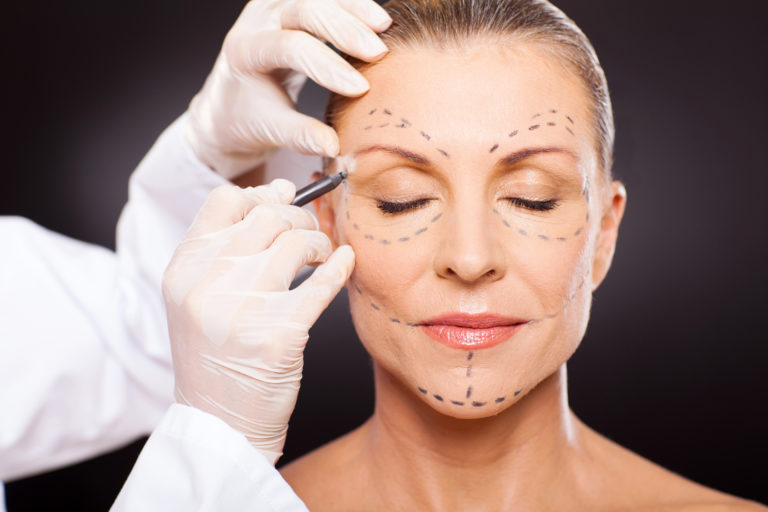
Considering the Fascia When Planning a Facelift

Q: Dr. Langdon, what is the “fascia,” and what does it have to do with a facelift?

A: There are different layers to the structure of the face. You have skin on top, and usually there’s a little bit of fat right below the skin. The important thing with a facelift is a layer called the fascia which is a connective tissue layer. This layer is very tough. When we pull the fascia we’re lifting it to reverse the sagging that gravity has caused. The fascia is actually attached to the underlying structures. It’s important to loosen that so the fascia is able to move more. That’s the key to a long lasting result in a facelift, and it is an important detail that we pay attention to when performing facelifts at The Langdon Center in Guilford, CT.

Liposuction with a Facelift?

Q: I recently saw a plastic surgery procedure on television where liposuction was used with a facelift. Dr. Langdon, is that something you recommend?

A: In order for a facelift to look its best, I also consider the neck, chin and jowl, because the contour of those areas very much affects the appearance of the face. The majority of people have excess fat beneath the chin; creating a nicer chin line with liposuction can make the entire face appear more beautiful, and removing that fat will improve the contour of the neck. The jowl is actually a fat pad in the lower cheek, and it helps to reduce that one as well. The vast majority of facelifts look a lot better if liposuction is also done. If you are going to do a procedure to enhance the look of your face, attention to the features that frame your face will give you a nicer and more complete look. For many patients, this can be accomplished with some liposuction. At The Langdon Center, I perform laser liposuction or laser lipolysis. This gentler form of liposuction, both removes fat and tightens skin, using much smaller incisions than traditional liposuction.

Which Type of Anesthesia for a Facelift? Dr. Robert Langdon of The Langdon Center in Guilford, CT Answers

Q: Dr. Langdon, I’m considering a facelift, but I’m nervous about general anesthesia. Is it always required?

A: I’m glad you asked that question. As a matter of fact, with the “minimal incision” facelift procedure that we perform at The Langdon Center in Guilford, CT, we use only local anesthesia. It turns out that anesthesia is a very important consideration when planning a facelift, as well as any other type of cosmetic or plastic surgery. Recovery is much quicker if local anesthesia is used, because this option minimizes bruising and swelling. In fact, most people look pretty good within the week. When compared to general anesthesia, local anesthesia is much safer, whether you are considering a facelift, a browlift or an eyelid lift.

About the “Minimal Incision” Facelift by Dr. Robert Langdon of The Langdon Center in Guilford, CT

Q: Dr. Langdon, I’ve heard that there is a “minimal incision” facelift. Can you explain a bit more?

A: Of course. The incision in the skin is what you see on the surface. The advantage of what we call a “minimal incision” is that it is much shorter than the incision used in a traditional facelift, and it heals in a very natural way. Because of this, it is pretty much undetectable to the casual eye. The incision begins in front of the ear and goes slightly behind the earlobe. It does not go far behind the ear like a traditional incision would. As a result, the incision is much more easily obscured, and should not become an easily detectable scar. The minimum incision technique is just one of the advanced methods that plastic surgeons or cosmetic dermasurgeons use today, and is a procedure that The Langdon Center of Guilford, CT is highly skilled and experienced at performing.